Understanding how to effectively generate content that resonates with your audience is essential in digital marketing. With Google’s continually developing AI capabilities, adopting a strategic approach can help set your content apart. This article helps you to get this domain, helping you strategically build content that not only captures interest but also ranks well in AI-overview driven search results. From understanding user intent to integrating multimedia elements, we’ll see the diverse aspects of content creation in the machine learning field. Let’s discuss how you can optimize your content strategies to make a significant impact.
AI Overviews in Google
Google’s AI overviews have marked a transformation in how search engine results are structured and presented to users. When you look into these overviews, you find that they are concise yet complete summaries generated by Google’s AI to present relevant information quickly to users. These AI-driven summaries prioritize user satisfaction by matching content closely to the users’ search intent while minimizing unnecessary mess.
Incorporating AI-driven content strategies means recognizing how Google interprets and displays content. AI overviews pull information from high-value sources, so aligning your content strategy with Google’s AI methodology ensures that your material resonates within these frameworks. Understanding this is imperative as the world gradually shifts towards more automated forms of digital information dissemination. The primary purpose is to deliver precise, relevant, and rich data to users promptly.
User Intent in AI-Driven Content Strategies
Understanding user intent is important in AI-driven content strategies. When users type a query into Google, the AI system seeks to understand whether their underlying intent is informational, navigational, or transactional. Successfully addressing user intent means engaging your audience more profoundly, encouraging clicks, and ensuring content visibility.
For you, this means every piece of content created must start with an analysis of what the potential customer or reader is looking for. You’re not just providing information; you’re preparing an experience aligned with their search intent. Focus on clearly answering these typical categories:
- Informational Intent: Often involves questions or books for specific data, needing thoroughly researched content.
- Navigational Intent: When users search for specific websites or pages, ensuring direct and clear navigation links is required.
- Transactional Intent: These are mostly purchase-driven; content needs strong CTAs and accessible E-commerce pathways.
Aligning your content with these intents helps you meet the audience’s expectations and encourages higher engagement rates.
Preparing Clear Headlines and Meta Descriptions
Your headlines and meta descriptions serve as the digital billboard for your content. It’s the first impression, the bait that draws readers in. Preparing these elements to be both enticing and informative can significantly boost your click-through rates.
Make sure your headlines are not only catchy but are infused with relevant keywords and phrases that reflect user queries accurately. Keep your titles concise but loaded, enough to pique interest immediately. The same principle applies to meta descriptions; these snippets should encapsulate the essence of your content while being persuasive enough for users to click. For example, a meta description like “Discover top AI content strategies that boost clicks and engagement” informs and entices without over-promising. Remember, integrating calls-to-action in your meta descriptions can further entice potential readers into clicking your link.
Integrating Keyword Research Effectively
In AI-driven content strategies, keyword research is more than just inserting popular phrases into your text. It’s about understanding both explicit keywords and the context in which they are used. Google’s AI uses complex algorithms to interpret the relevance of keywords to overall content, quality, and intent.
Develop a strategy that incorporates both short-tail and long-tail keywords organically throughout your content. Short-tail keywords provide breadth, while long-tail phrases cater to more specific search intents.
Utilizing Visuals and Multimedia in Your Content
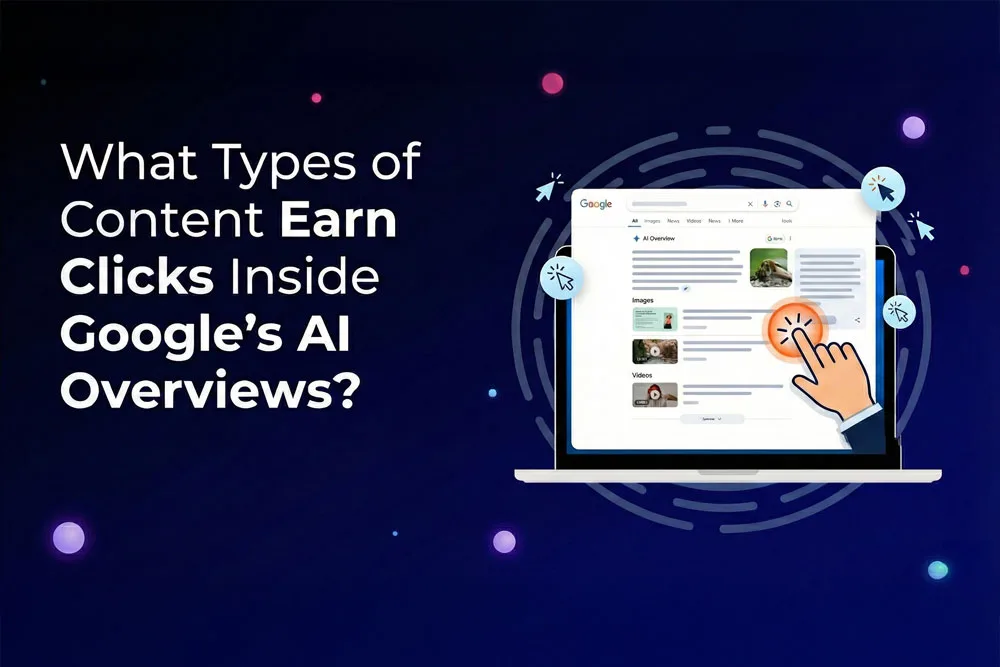
Incorporating visuals and multimedia elements can significantly enhance your content’s appeal and effectiveness. Since AI overviews favor concise and engaging content, supplementing text with images, videos, or infographics can help deliver complex information more effectively.
Visual content is not only a powerful engagement tool, but it also improves comprehension and retention. People are more likely to remember information if it’s presented alongside relevant imagery or interactive elements. Also, ensure that all multimedia content is optimized for fast loading, as quick access is crucial for user satisfaction. Make use of descriptive alt texts and transcripts for video content to make them more accessible and improve your SEO ranking. By doing so, you serve both search algorithms and human readers, maximizing your potential reach and engagement.
Simplifying Mobile Optimization for AI Overviews
With mobile traffic surpassing desktop use, ensuring that your content is optimized for mobile devices is no longer optional but essential. AI overviews are designed to deliver quick, easy-to-navigate information, something that’s especially important for mobile users.
Responsive design is key – your site should adjust smoothly across various screen sizes. Beyond design, prioritize quick load times, as mobile users are typically less tolerant of delays. Minimize the use of heavy scripts or excessive media files that can slow down the site’s performance. Google’s mobile-first indexing means the mobile version of your content is considered the primary source for ranking. Therefore, optimize your content structure and navigation to be mobile-friendly, ensuring that every facet of your AI-driven content strategy supports mobile access and use.
Understanding user intent helps crafting compelling headlines, and focusing on high-quality content, you pave the way for successful content strategies. Integrate keyword research, optimize for multimedia and mobile, and keep iterating based on performance metrics to ensure your content remains competitive. As AI continues to evolve and become a core component in search engine algorithms, your proactive adaptation to these developments will future-proof your content strategy, enhancing visibility and driving engagement in Google’s AI overviews.